Research
Research
My interest in research grew out of a love for hard maths problems — and then the algorithms behind them. I like doing this with others: classmates, or labs and organisations that let a high-schooler take part and contribute.
What I hope for is simple — to use maths and AI to help solve real problems, and to be of some genuine use to the people and needs that too often get left behind.

Research interests
- AI for accessible and inclusive education
- Applied mathematical modeling of real-world systems
- Speech, OCR and multimodal interfaces
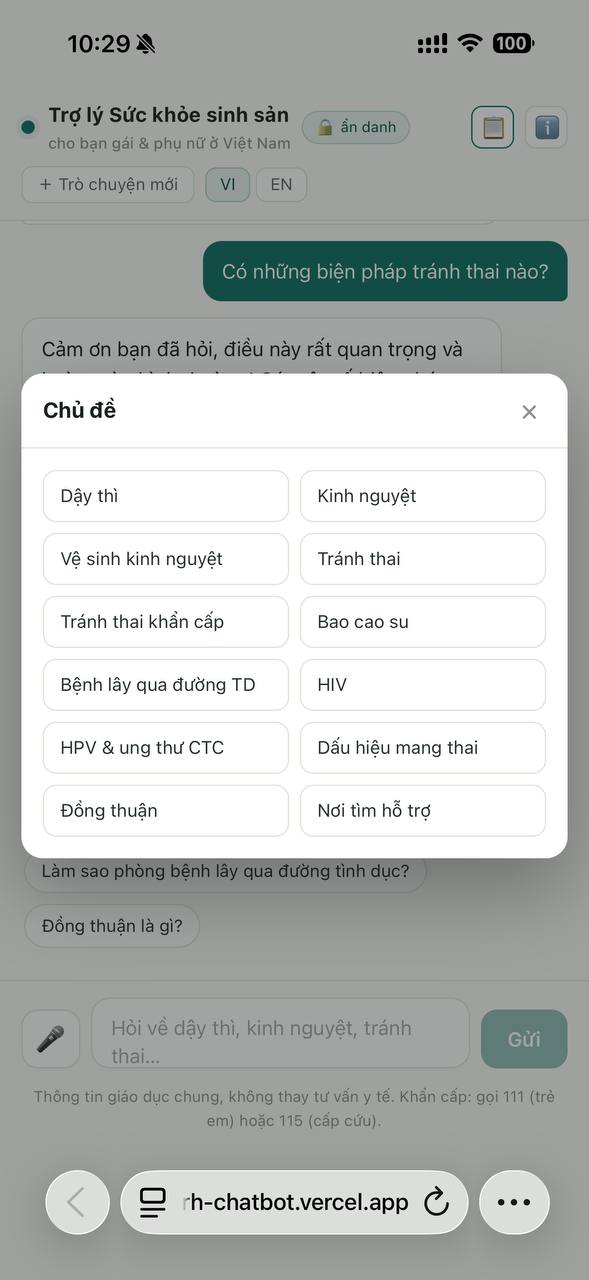
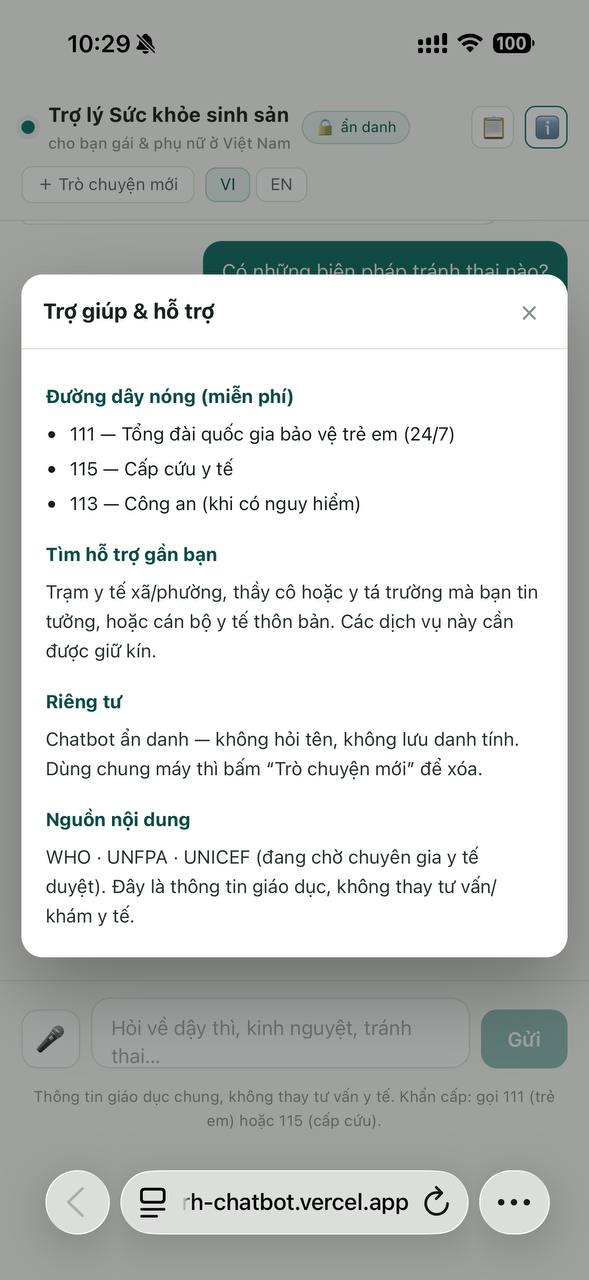
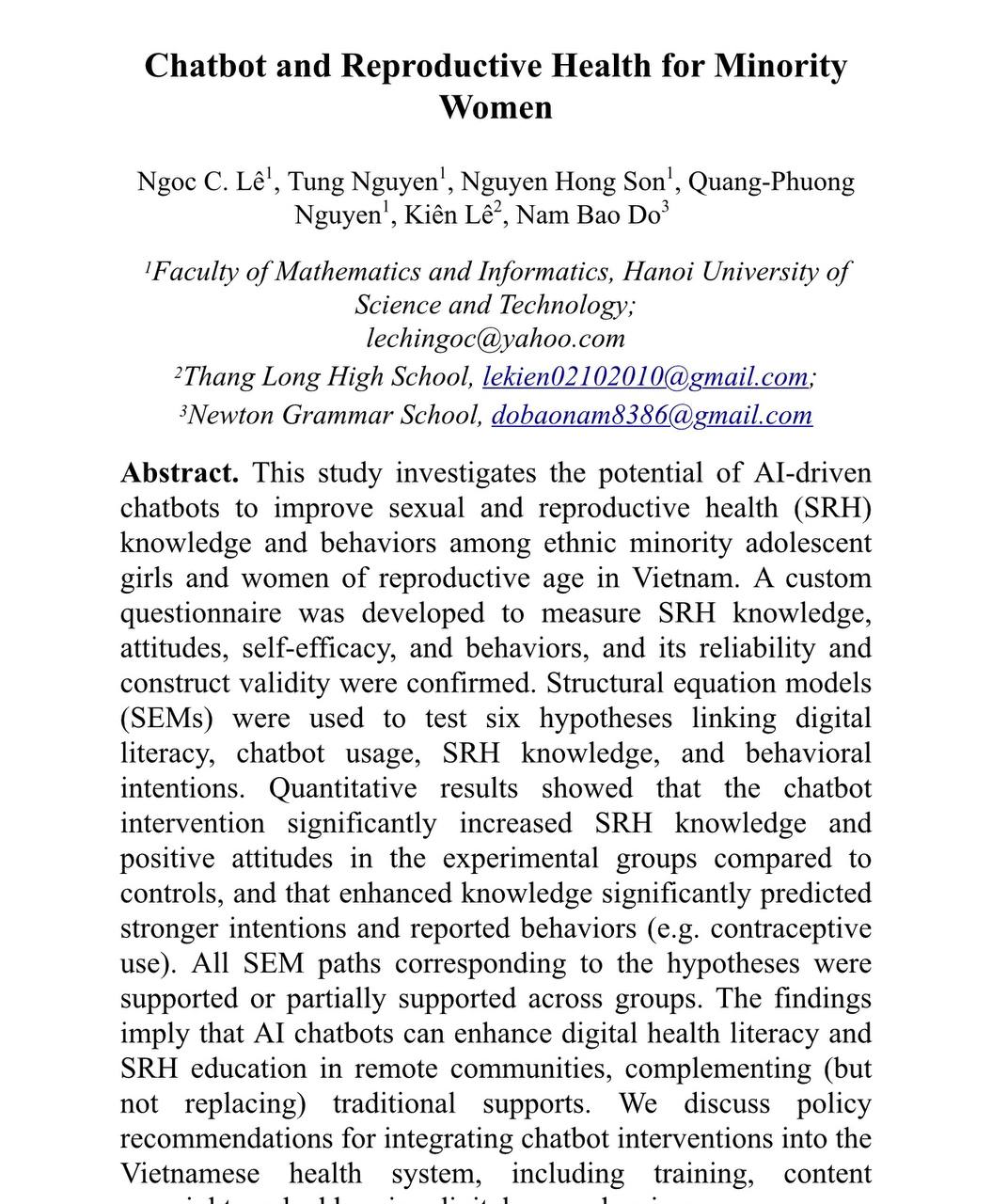
Chatbot and Reproductive Health for Minority Women
Research question
Can an anonymous, AI-driven chatbot improve sexual and reproductive-health knowledge and behaviour among ethnic-minority adolescent girls and women in Vietnam's highlands?
Methodology
At the centre of the intervention is an AI-driven chatbot that Bao Nam co-designed and developed — integrating generative AI with curated, reviewed health content, and designed for accessibility, confidentiality and the socio-cultural context of its users. Its effect was measured in a mixed-methods pre–post study of 1,230 participants across four groups: surveys analysed with structural equation modeling (KAP and the Theory of Planned Behaviour), alongside focus groups and in-depth interviews.
Findings
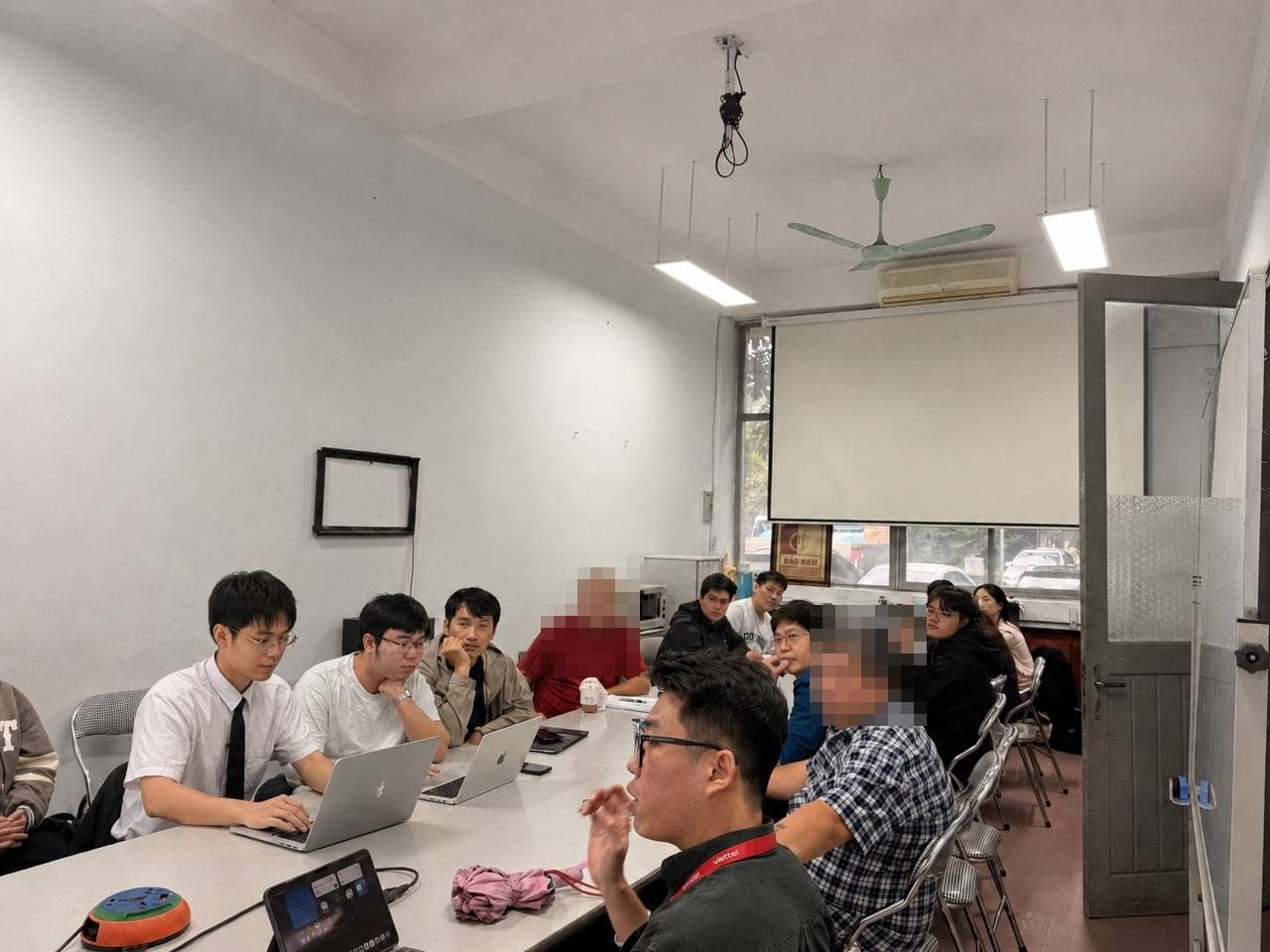
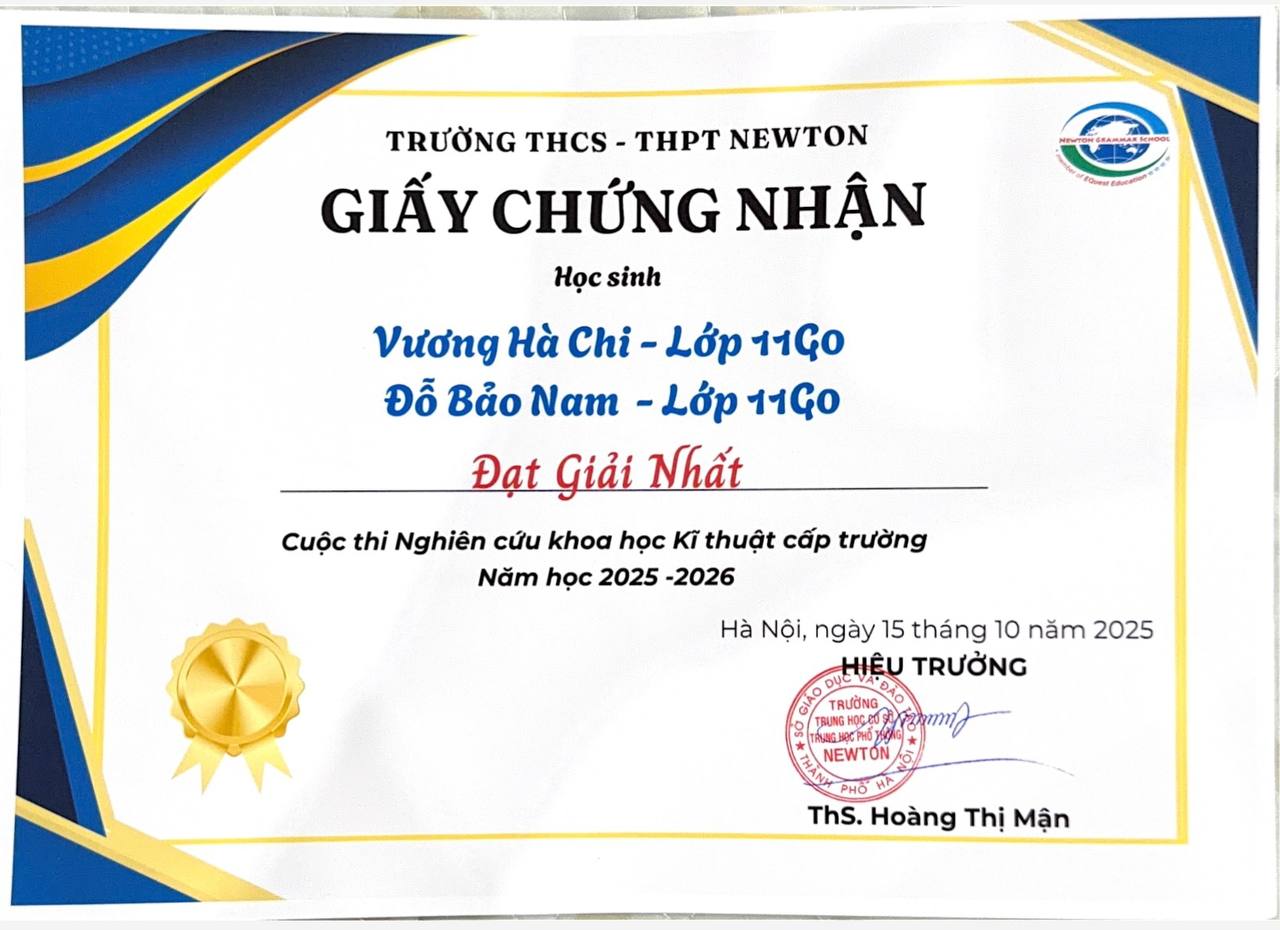
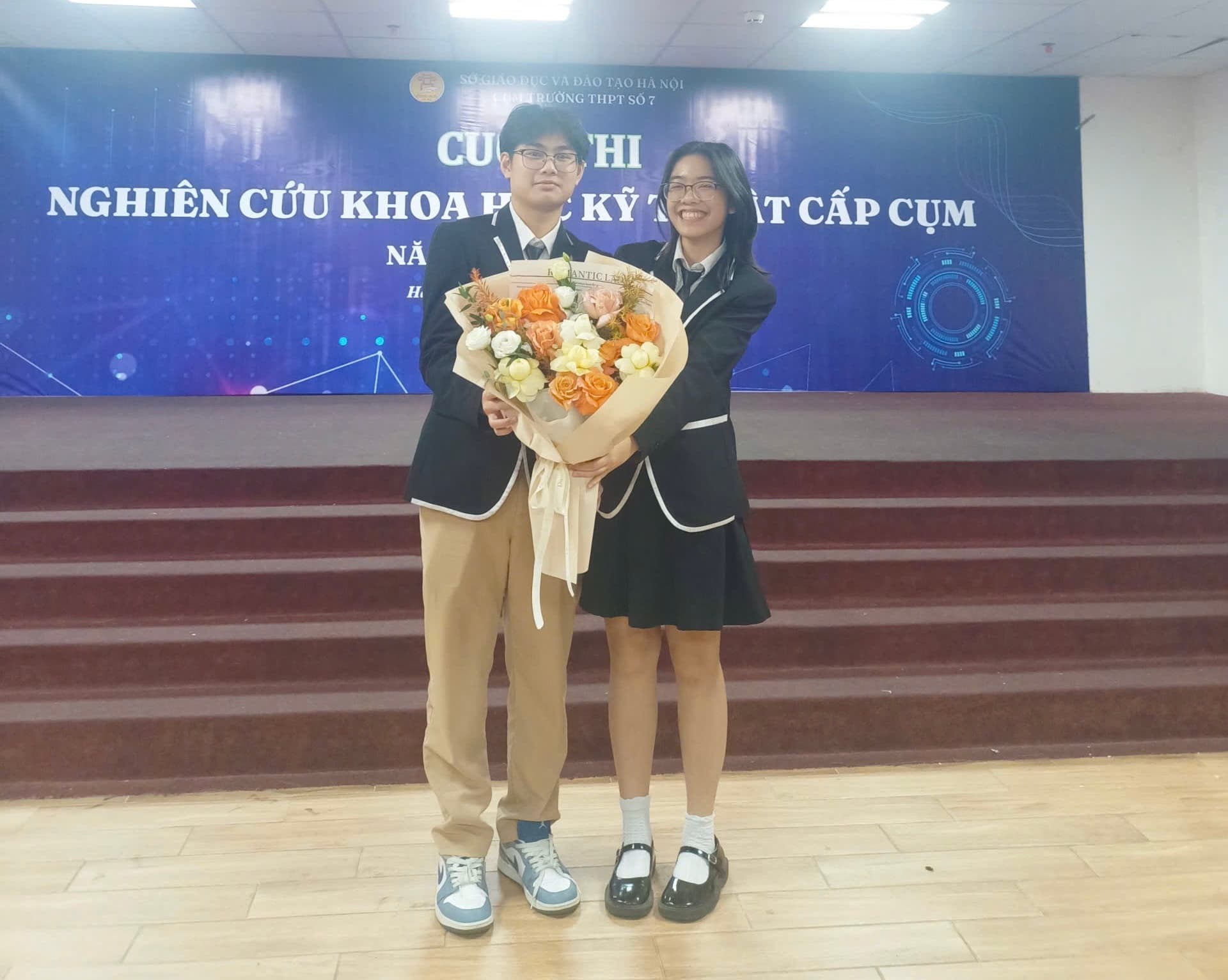
The study reports significant gains in reproductive-health knowledge, attitudes, intentions and reported practice, and its structural equation model supports a knowledge→attitude→intention→practice pathway — evidence that a well-built AI tool can reach a population most health programmes miss. As a student researcher and co-author, Bao Nam helped design and develop the chatbot and took part in the research itself — how people adopt a digital-health tool (digital literacy, behaviour, cultural barriers) — supervised by Assoc. Prof. Dr. Lê Chí Ngọc (Faculty of Mathematics and Informatics, Hanoi University of Science and Technology), under the PHAD/IDRC “dMOM” programme. The co-authored paper earned First Prize at Newton's school science-and-engineering research fair (2025–26) and was accepted for an oral presentation at the AI4SDF Conference (Hà Nội, December 2025). A student research project, not a peer-reviewed publication.
dMOM — Institute of Population, Health and Development (PHAD); funded by IDRC

DNA Barcoding to Detect Seafood Mislabeling and Fraud
Research question
Once a fish is processed into a cake or floss, its species is unrecognizable — so can DNA barcoding of the COI gene reliably reveal the real species behind the label, and how often does the label lie?
Methodology
Field: cell and molecular biology. Working in real labs (Hanoi National University of Education and the Aquaculture Biotechnology Center, Research Institute for Aquaculture No.1), the team tested three DNA-extraction methods on processed products and found the Qiagen DNeasy mericon Food kit worked where CTAB and salt-precipitation failed. They then amplified the ~650 bp mitochondrial COI gene by PCR (MAB primers, 35 cycles), ran agarose gels, Sanger-sequenced the products (BigDye v3.1, Applied Biosystems), and identified each species by comparing sequences against the NCBI and BOLD gene banks with BLAST (May–Nov 2025).
Findings
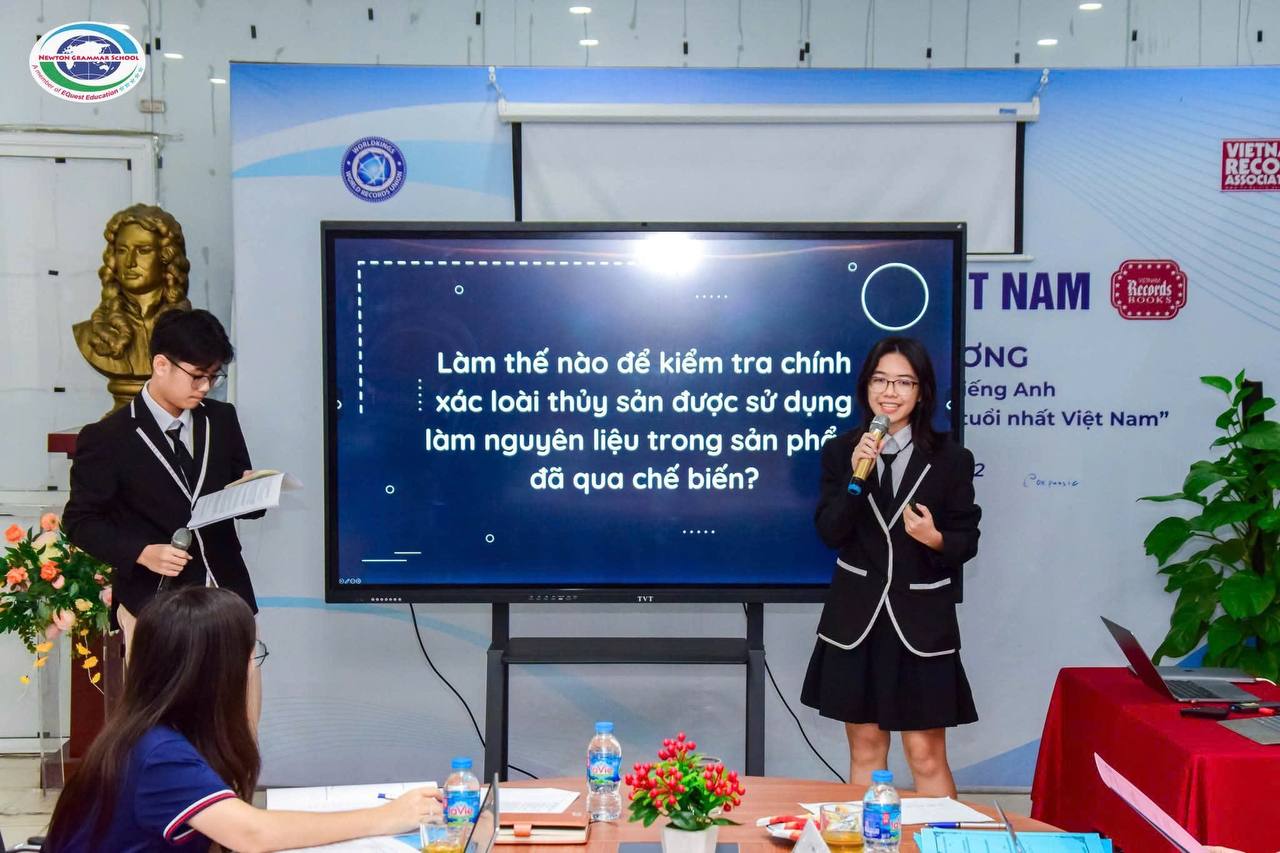
Of six popular processed products tested, three (50%) were mislabeled — and every time, the real fish was a cheaper species than the one on the package: a 'featherback' cake was actually Chitala chitala, a 'mackerel' cake was Saurida tumbil, and 'snakehead' floss was tilapia (Oreochromis aureus). Products whose processing destroyed the fish's shape (cakes, floss) were mislabeled more often than those that kept it (dried fish, fin). All sequences, gels and chromatograms are the team's own experimental data. Bao Nam led the computational side — chromatogram cleaning and BLAST/BOLD identification — with Vương Hà Chi. First Prize at the school level and Second Prize at the Hanoi cluster level (Science-and-Engineering Research, 2025–26). A student research project, not a peer-reviewed publication.
Science-and-Engineering Research 2025–26 — First Prize (Newton, school) · Second Prize (Hanoi cluster); lab work at HNUE & RIA-1 Aquaculture Biotech Center
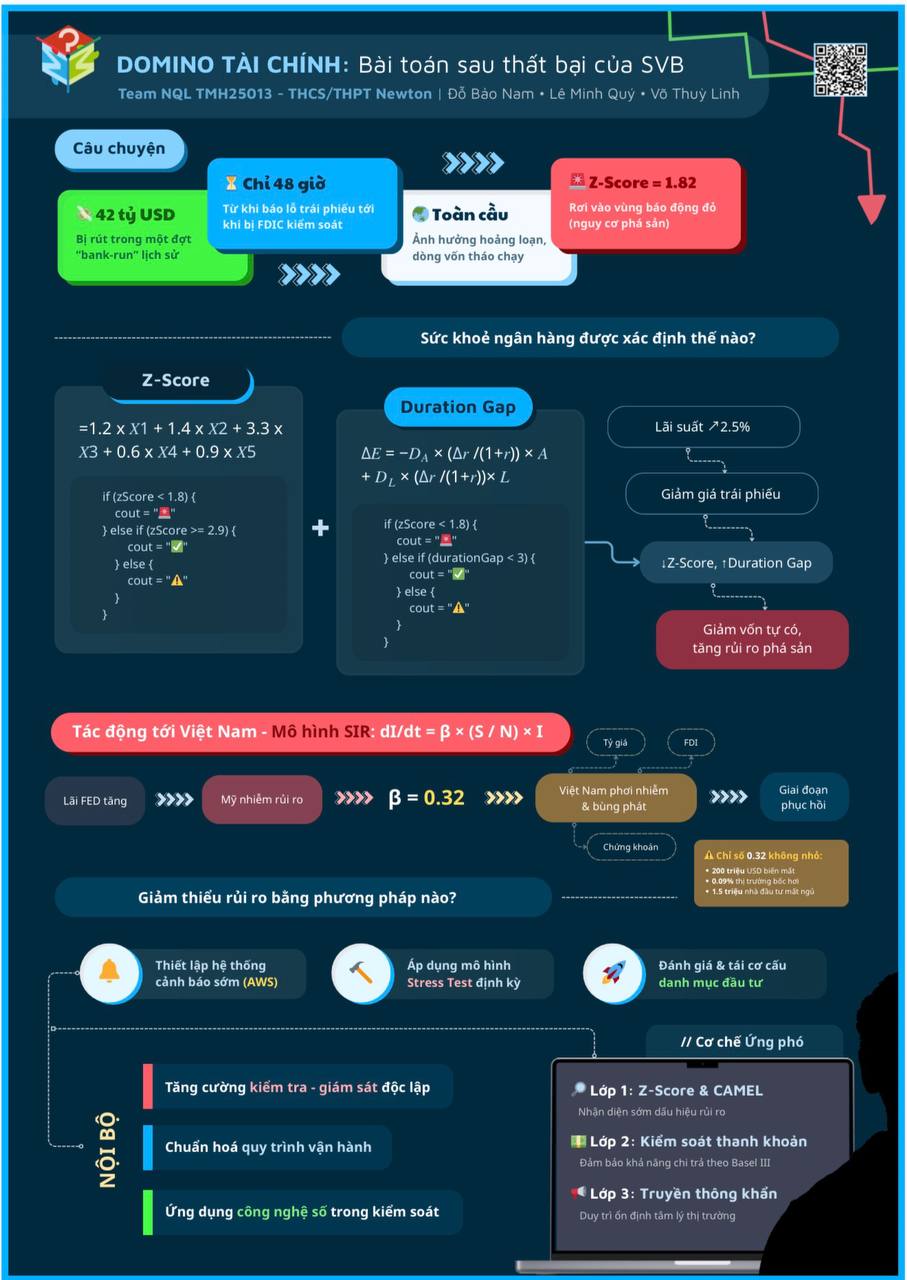
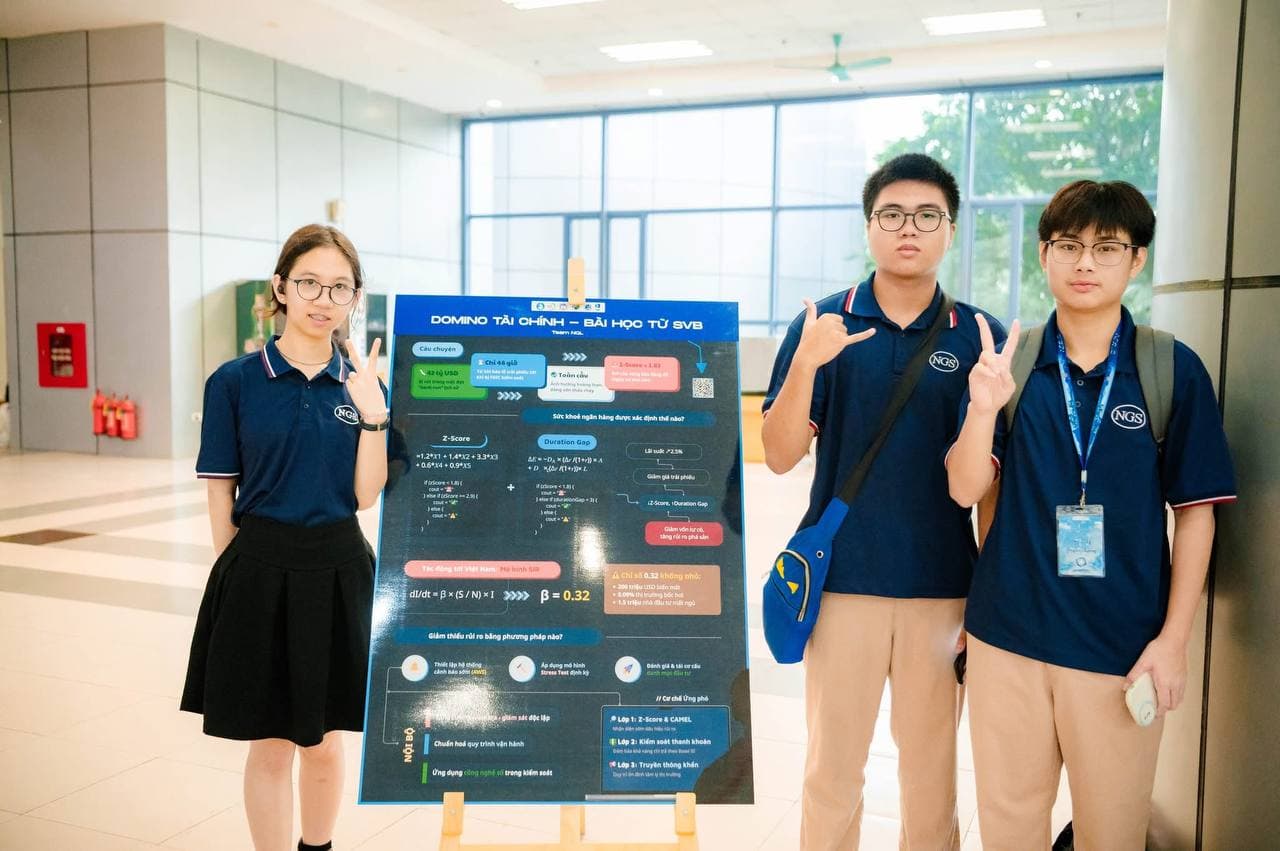
Financial Domino — Lessons from the SVB Collapse
Research question
How does the failure of a single bank propagate into systemic risk — and how large is the contagion effect for an emerging market like Vietnam?
Methodology
As team leader, I built the analysis on SVB's real Q4-2022 balance sheet and three linked models, implemented as a C++ risk-analysis tool. (1) An Altman Z-Score, Z = 1.2·X1 + 1.4·X2 + 3.3·X3 + 0.6·X4 + 0.9·X5, which scored SVB at 1.20 — below the 1.81 red line. (2) A Duration-Gap model, ΔE = −D_A·(Δr/(1+r))·A + D_L·(Δr/(1+r))·L, with D_A = 6.2y and D_L = 1.2y on $211B of assets, to expose the interest-rate risk hiding in a bond portfolio. (3) Stress-testing across rate scenarios (+0.5% … +2.5%), plus a liquidity ratio (LCR) and a VN-Index gauge, to find the breaking point. To size the spillover to Vietnam I used two lenses: an SIR-style contagion model (dI/dt = β·(S/N)·I, transmission rate β = 0.32) for how a shock propagates, and a linear regression of the VN-Index on the S&P 500 over the five sessions after the collapse.
Findings
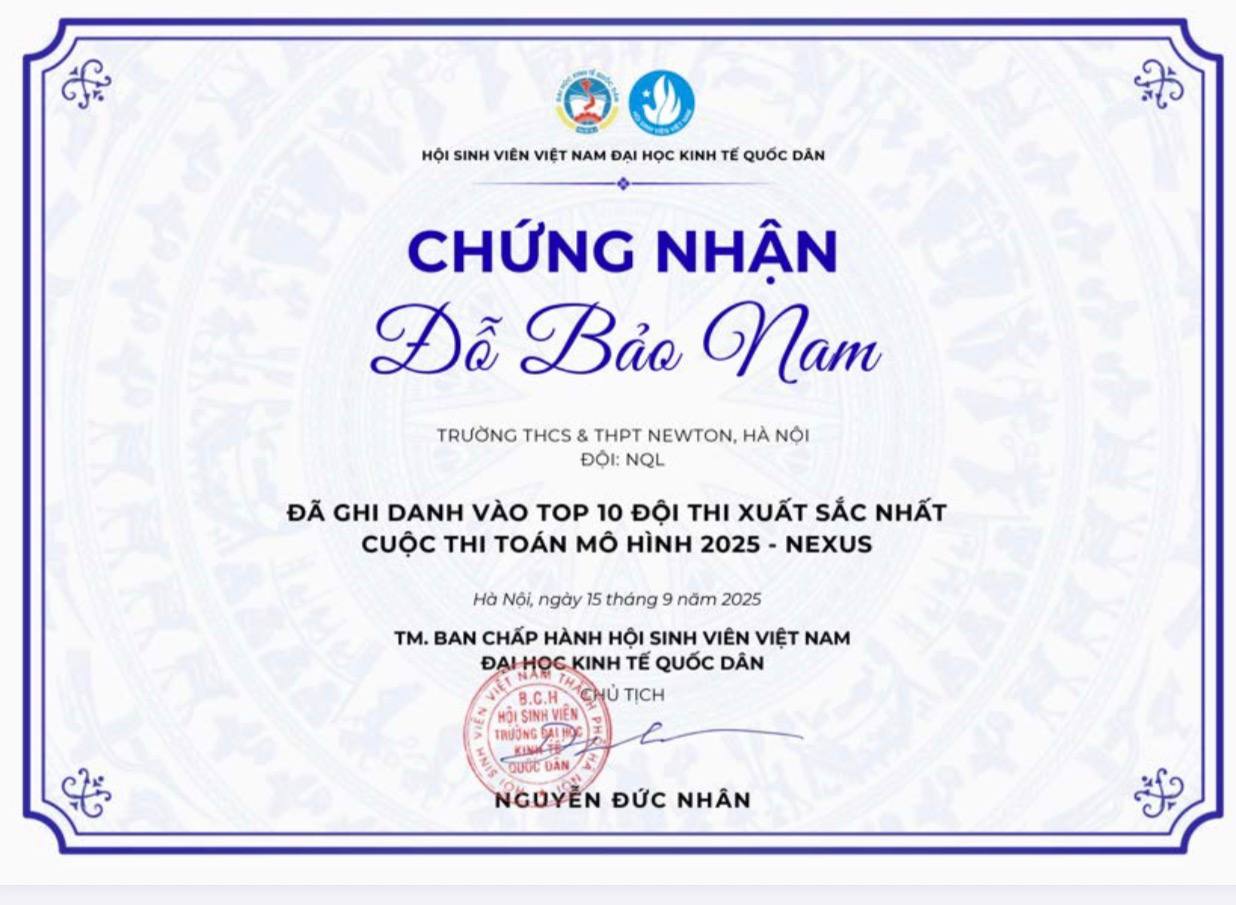
SVB was the 16th-largest U.S. bank — yet 55% of assets sat in long-dated bonds, 94% of deposits were uninsured, and a ~$15.9B unrealized bond loss already exceeded its ~$11.8B of equity. The models caught this before the fact: the Z-Score had slid from 2.5 (2020) to 1.2 (2022), and the stress test showed a +2% rate shock erasing up to $33.5B — leaving only ~9 days of survival once a run began ($42B left in 48 hours). For Vietnam, the regression gave β = 0.82 (a 1% S&P 500 drop → a 0.82% VN-Index drop); the index fell 5.8% in five sessions and ~32% of startups faced a funding squeeze. We closed with a multi-layer defense — ALM, Z-Score / CAMELS early warning, Basel III liquidity (LCR / NSFR) and a '3-5-8' rule (duration gap < 3y, risky-asset ratio < 100%, capital ratio > 8%). Placed Top 10 at the NEXUS 2025 Mathematical-Modeling Contest (National Economics University). A student research project, not a peer-reviewed publication.
NEXUS 2025 Mathematical-Modeling Contest · National Economics University (Vietnam Student Association) · Top 10 team · Sept 2025