🇸🇬
EduVision AI · A story for Singapore
Bao Nam Do · Singapore
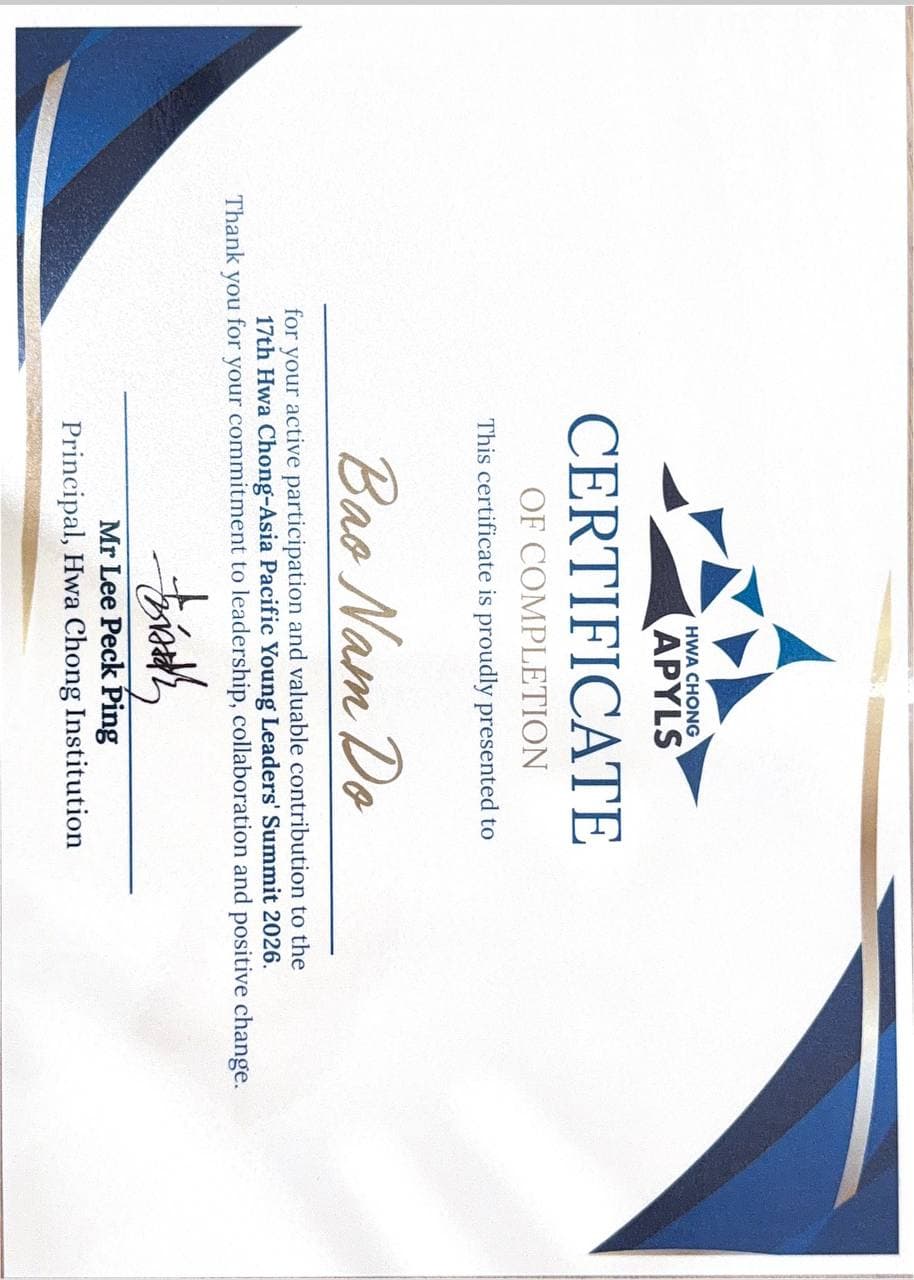
This is the story of EduVision AI — an AI tutor I built for students who are blind or have low vision: from 30+ interviews at a school for the blind, to a working system now used in real classrooms, to a stage at the Hwa Chong APYLS in Singapore.
I built EduVision AI to answer a question I couldn't stop thinking about: why should a student who can't see a textbook be left to fall behind?
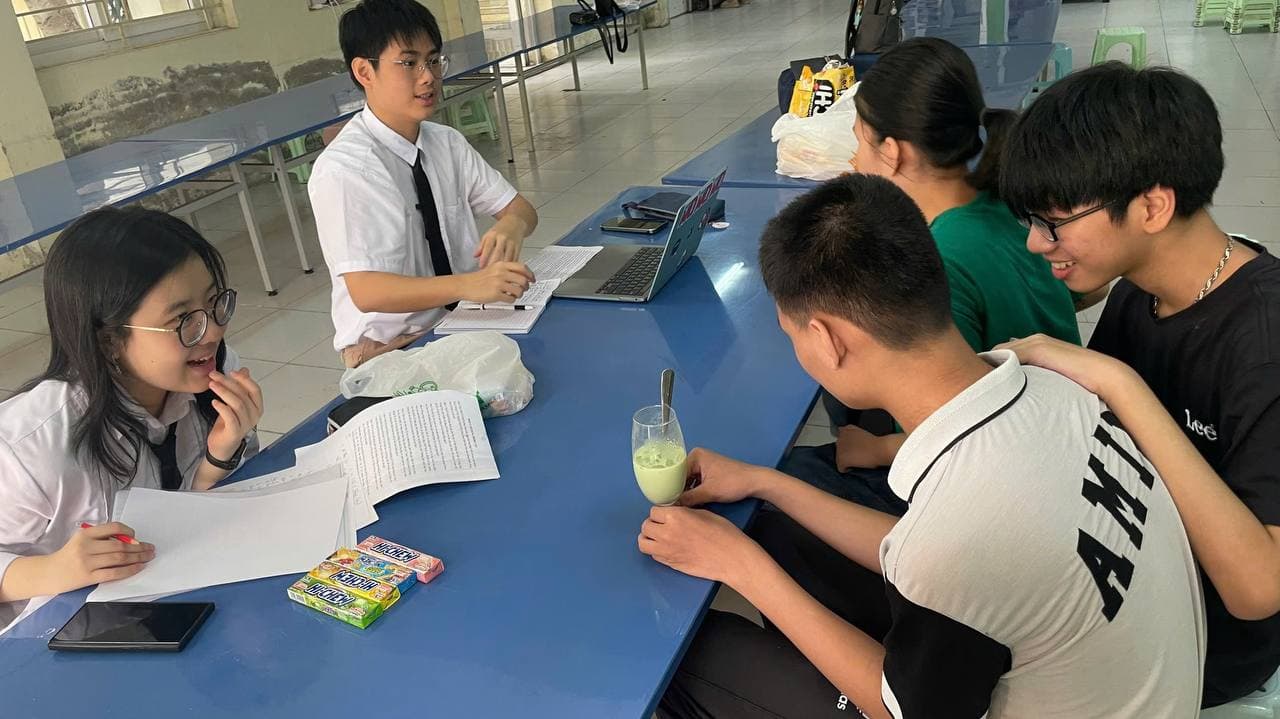
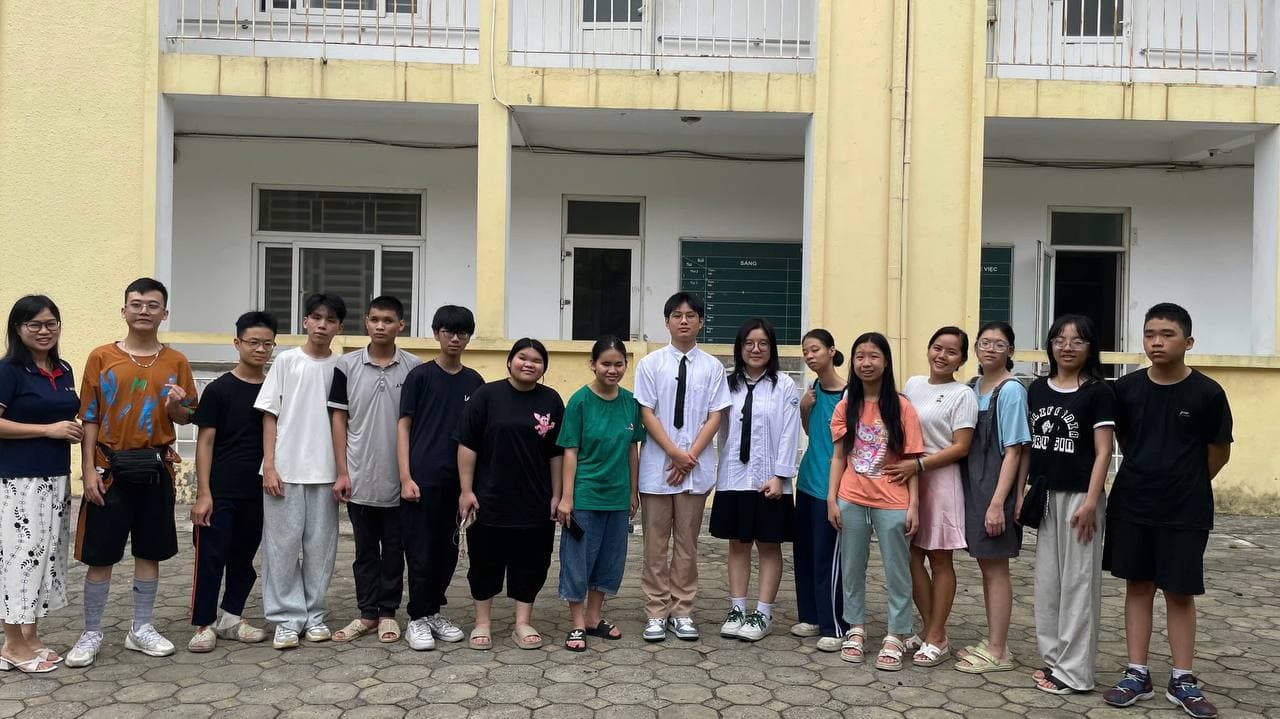
Before I wrote a line of code, I went to the Nguyễn Đình Chiểu School for the Blind and ran deep interviews with over 30 students with visual impairment. That fieldwork rewired the project: the goal wasn't a clever AI — it was one that explains the way a blind learner actually understands.
Over five months, as founder and lead developer, I built the whole system: an OCR pipeline that turns printed textbooks into speech, bilingual Vietnamese–English text-to-speech, and an AI tutor that answers from the actual lesson and can explain a right triangle through touch — “hold two sticks; feel the corner of your desk.” I shipped it on the open web and a plain Telegram bot, so a student with a five-year-old phone isn't shut out.
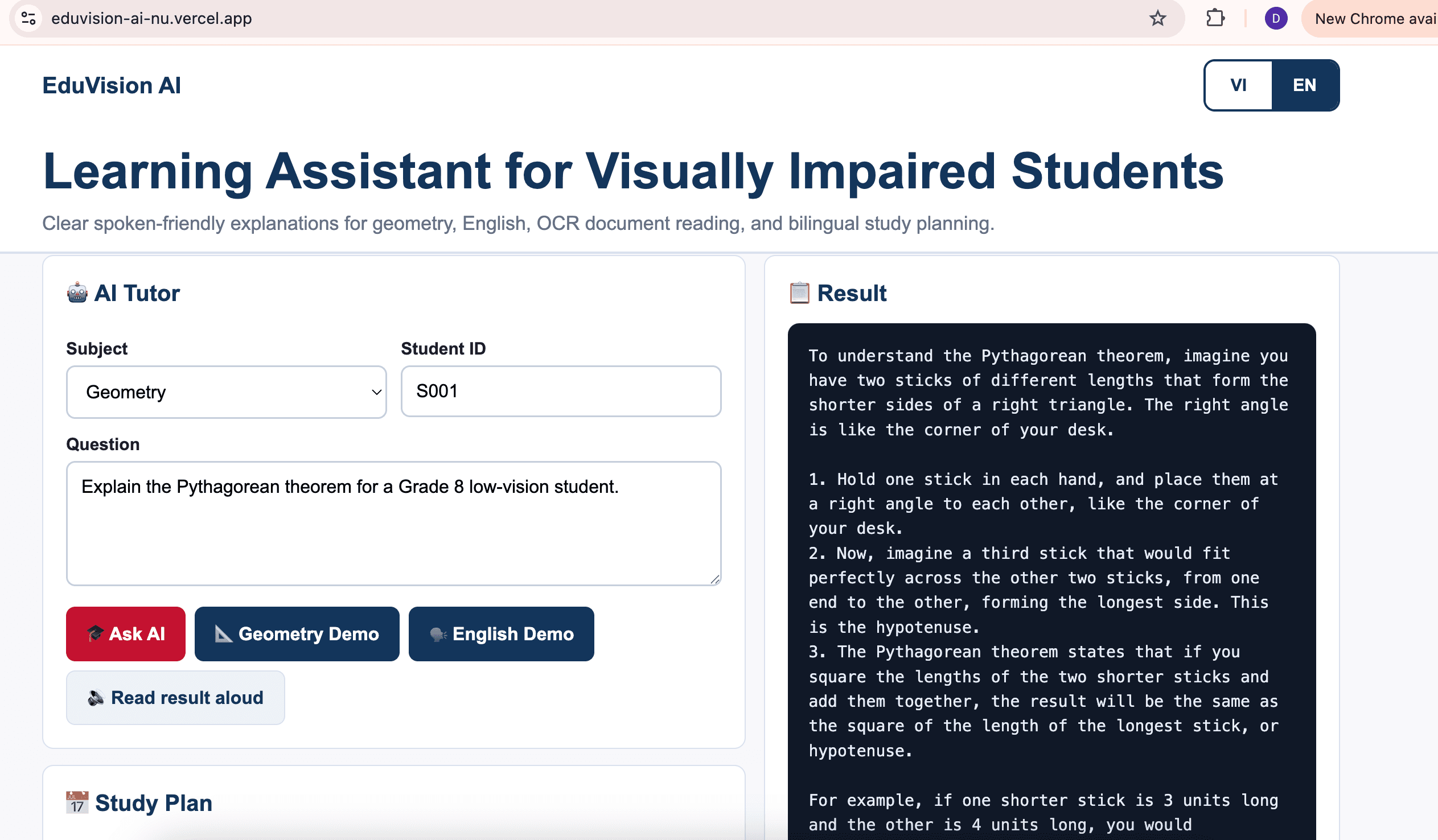
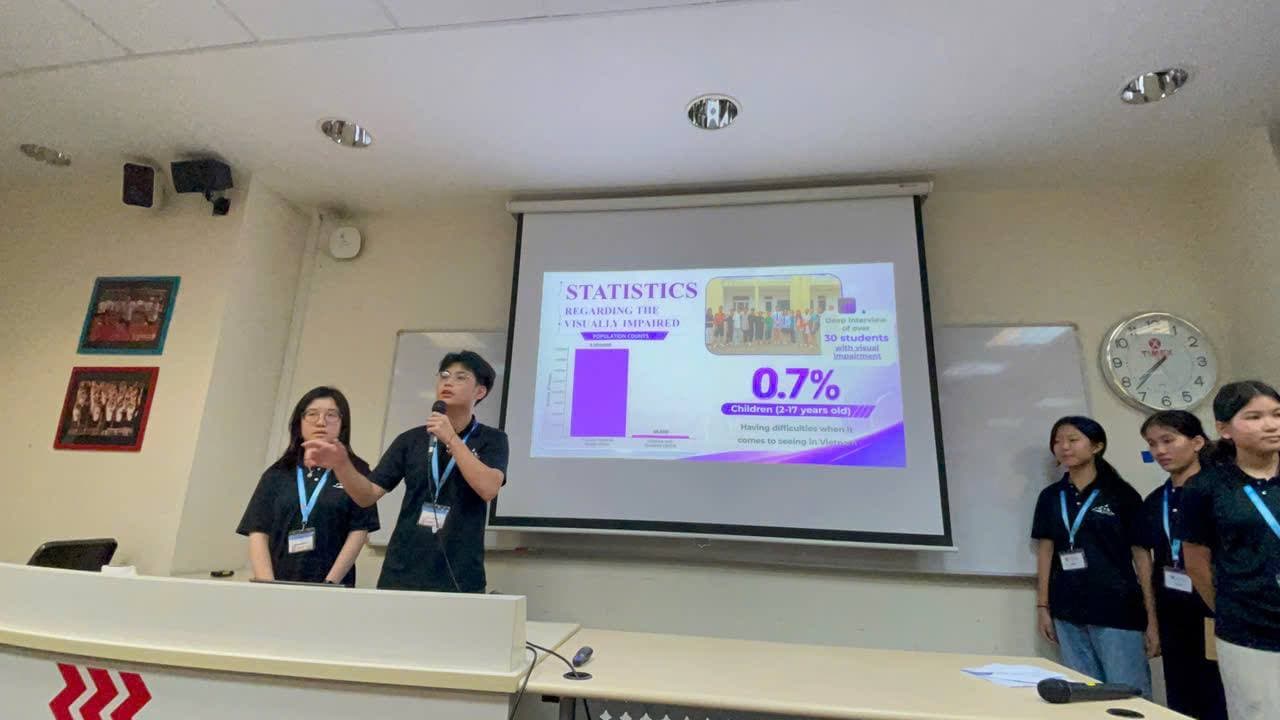
The hardest part wasn't the code. Leading my two-person team before our Hwa Chong APYLS presentation, I chose the unglamorous accessibility core over features that would impress the judges — because a leader's responsibility is to the person the work claims to serve, especially when they have no voice in the room.
Verified evidence
30+ visually-impaired students interviewed
Needs-assessment at the Nguyễn Đình Chiểu School for the Blind, before building anything.
A working system, not a slide
Live demo and open-source code on GitHub — you can try it yourself.
In use at several schools
Blind and low-vision students have begun learning with it.
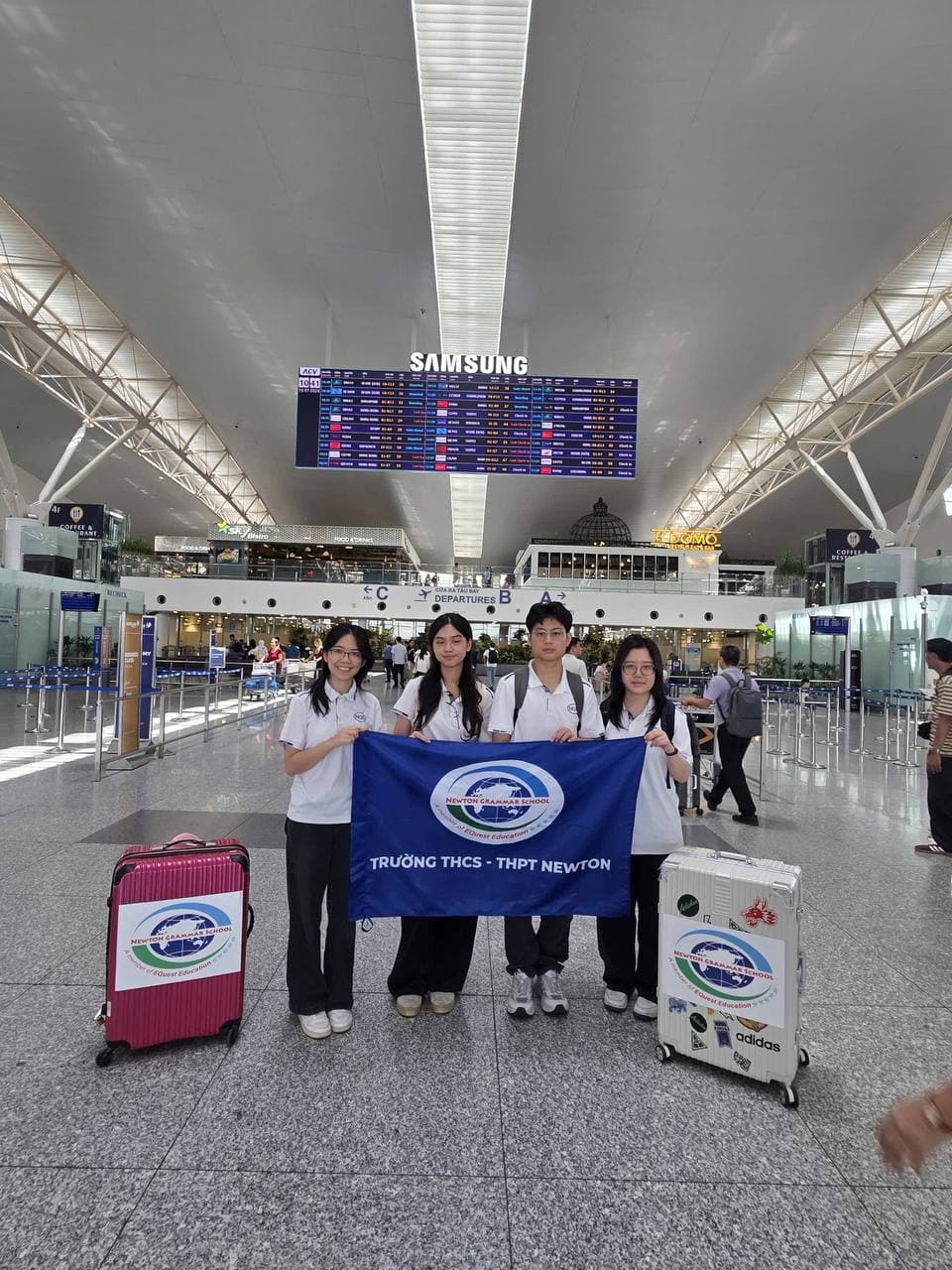
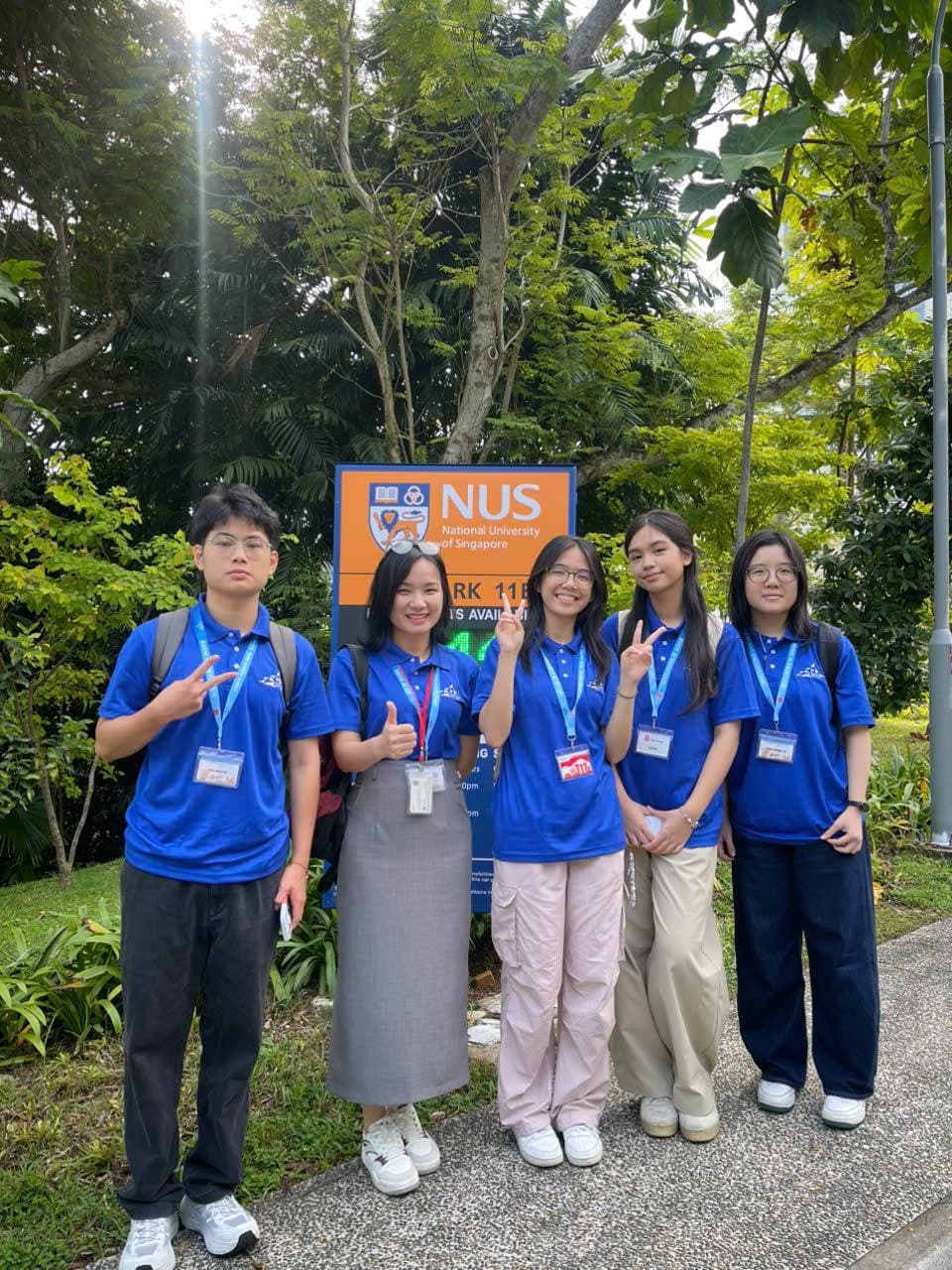
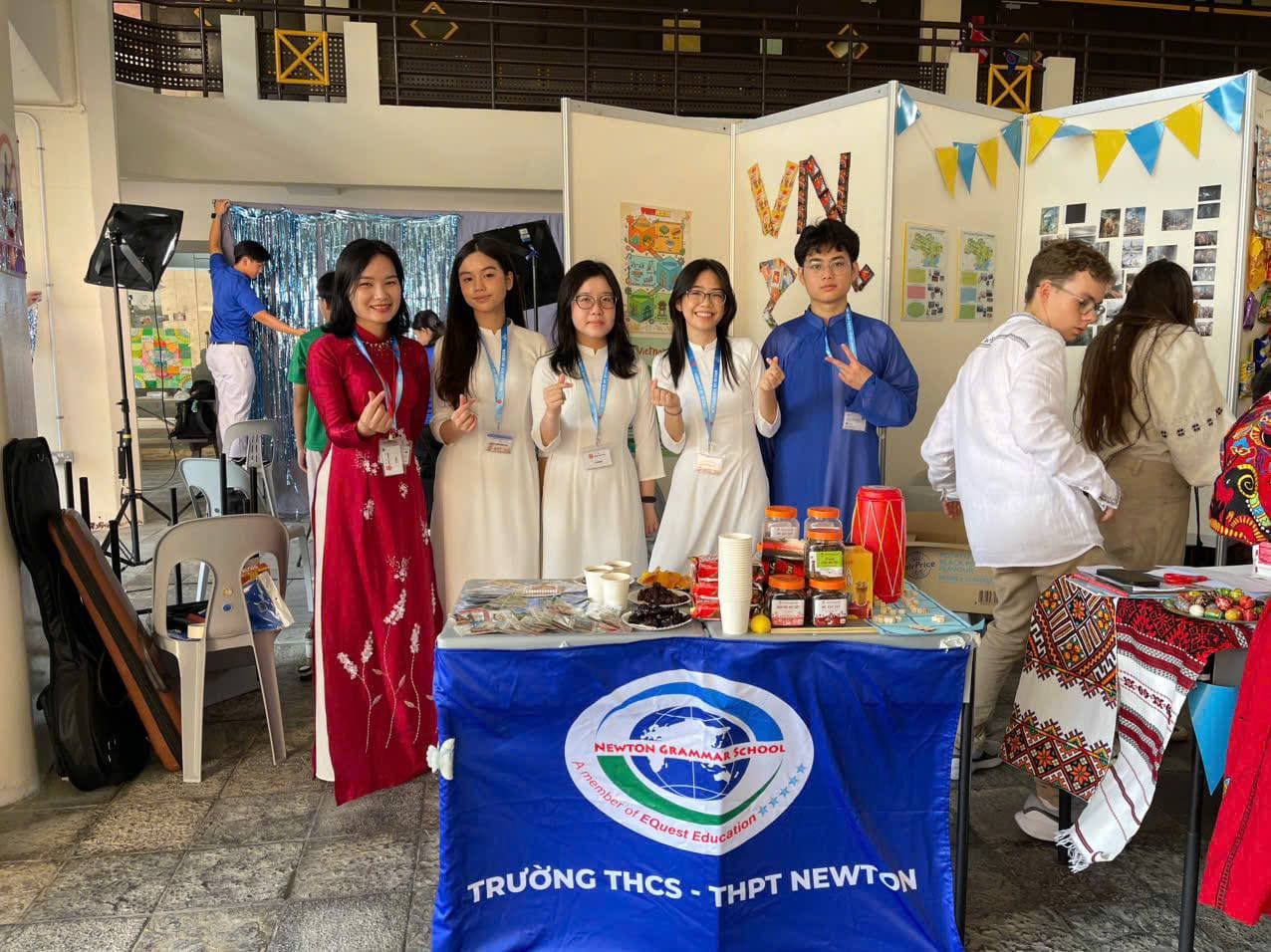
Presented at the Hwa Chong APYLS, Singapore
With a certificate of contribution from the summit's organizing committee.
From fieldwork to Singapore
What this really is
EduVision is still small, and I won't pretend otherwise. But everything on this page has something real behind it — a photo, a certificate, a link you can open. Blind students at the Nguyễn Đình Chiểu School have begun learning with it, it runs at several schools, and I stood on a stage at the Hwa Chong APYLS in Singapore to explain why it matters.
What I want next is simple and stubborn: to keep building AI that serves the people the world tends to overlook — and to make it durable enough that the good it does outlives me.