
Skip to content
Bao Nam Do

My story

How I got here

Not a résumé. A short walk through the moments — and the questions they left me with — that shaped what I choose to build, and why I keep showing up for the people the world tends to overlook.

Bao Nam Do
Home is where the responsibility started.
01

The stories my father carried

My father grew up with very little in our home province. I did not live that childhood, and I am careful never to borrow his hardship as my own story. What I did inherit is a clear-eyed sense that I now enjoy opportunities his generation never had.

His stories taught me something specific: a Tết gift, a small scholarship, or one adult willing to pay attention can change how a child sees their own future. That is where my sense of responsibility begins.

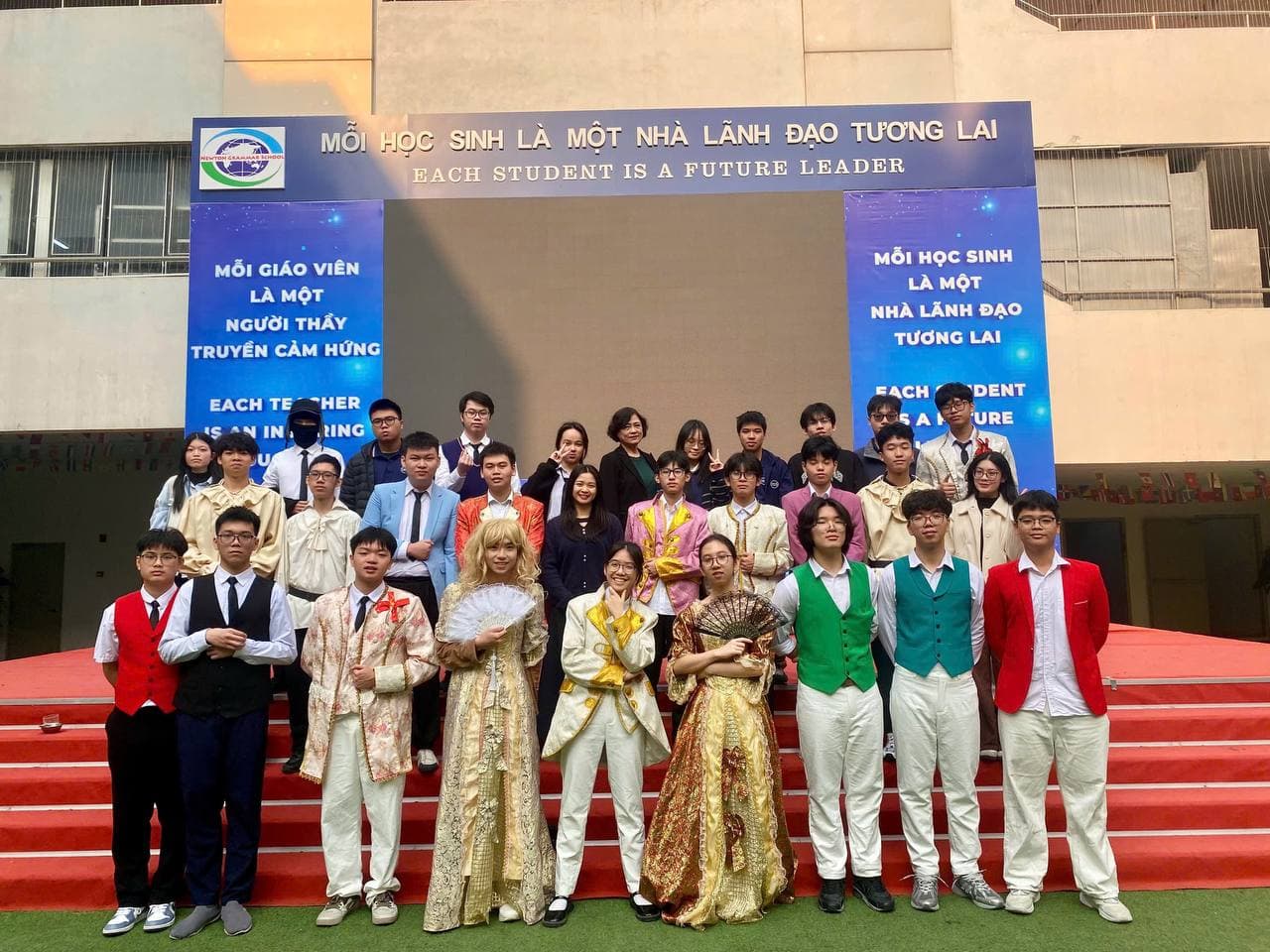
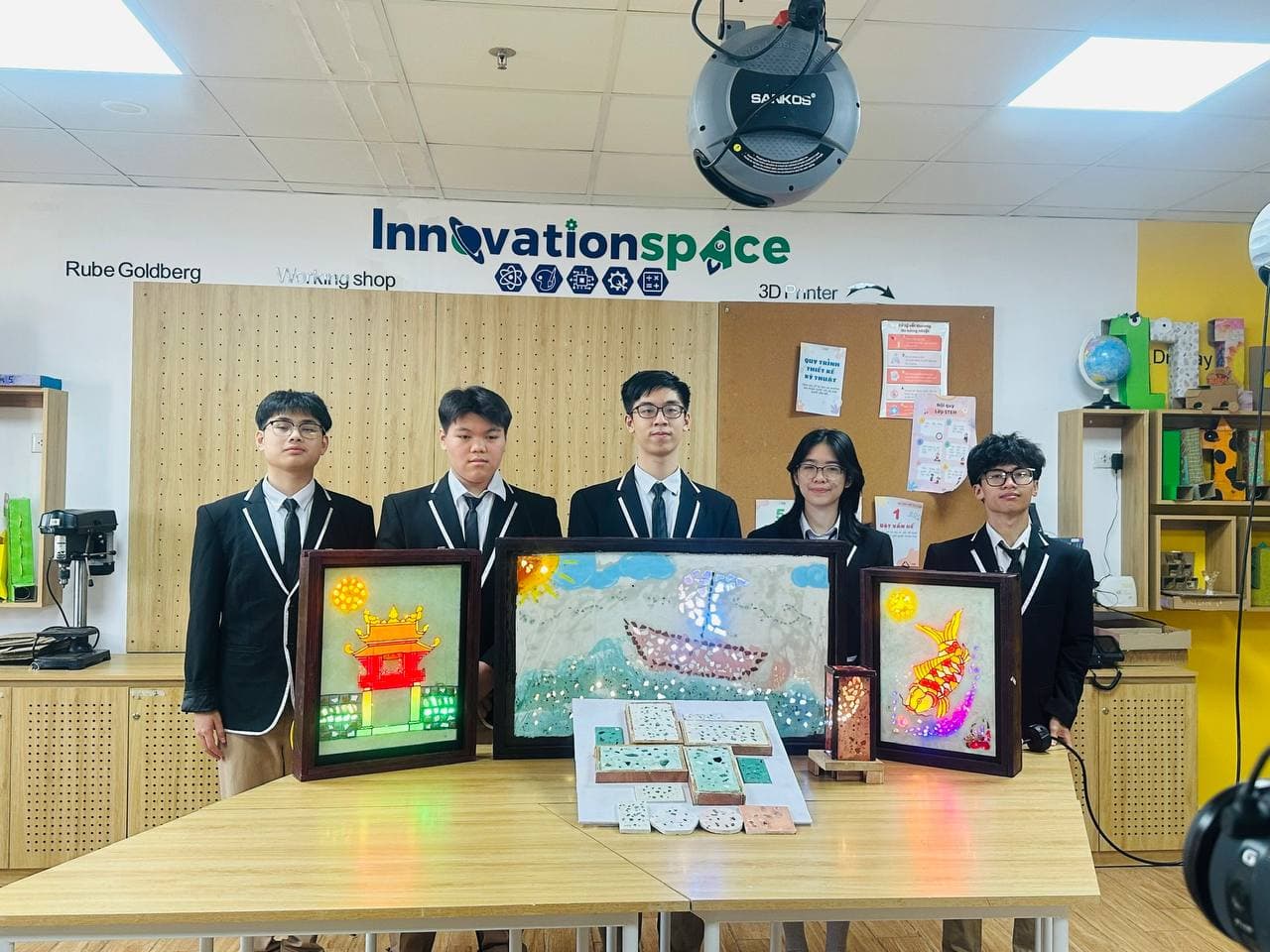
With classmates at Newton Grammar School
Newton Grammar School, Hanoi.
02

The opportunities I received

I was given things my father's generation was not: teachers who took my questions seriously, and a school that let me build, not just memorize. I try not to treat any of it as ordinary.

The more I received, the more it felt like a debt of attention — something to pass forward rather than keep. That belief quietly shaped everything I chose to do next.

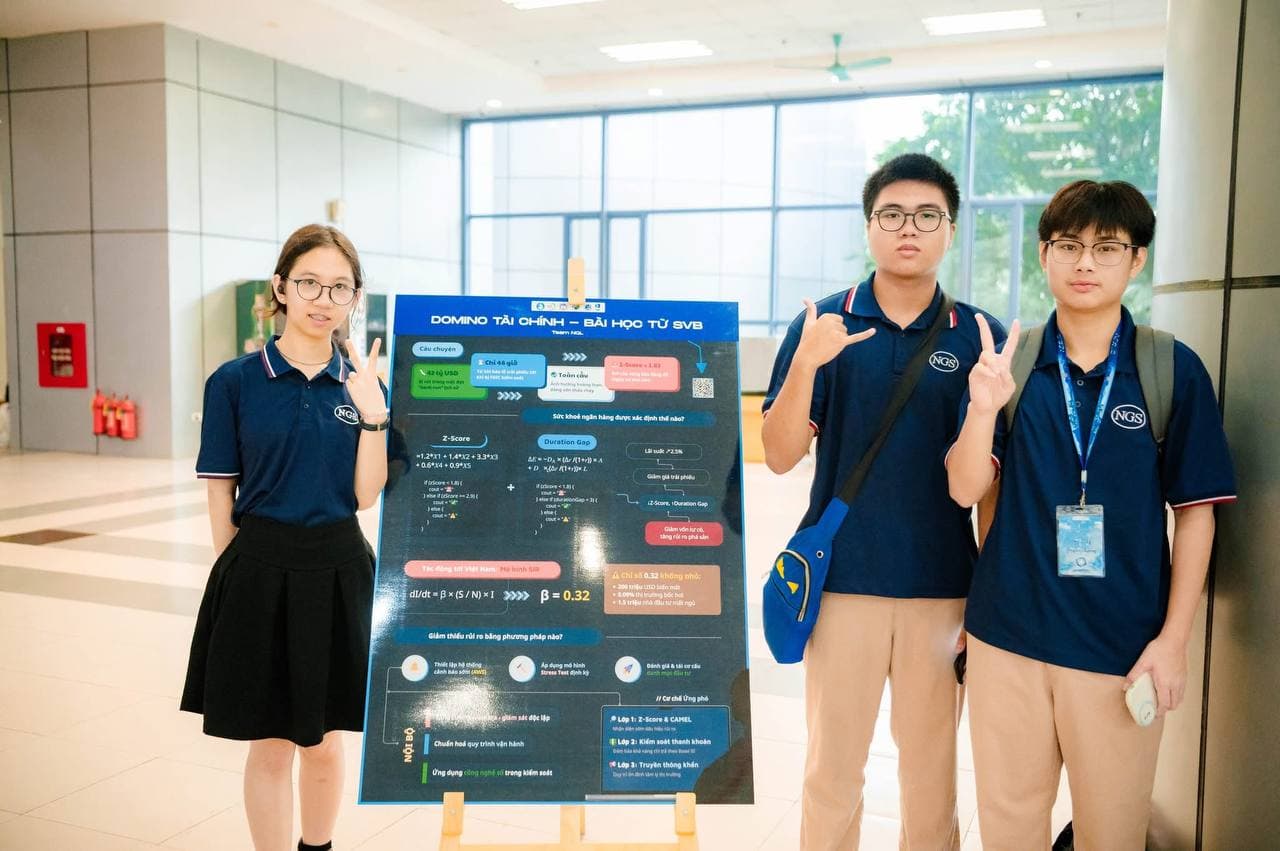
Working on a research project
Learning to turn questions into things I could build.
03

From solving problems to finding them

Mathematics taught me to be precise and honest — you cannot argue a proof into being true. For years I loved solving problems other people had set for me.

At some point that stopped being enough. I wanted to use what I knew to find problems worth solving in the real world — and to build something a real person could use. That shift is why I started building software.

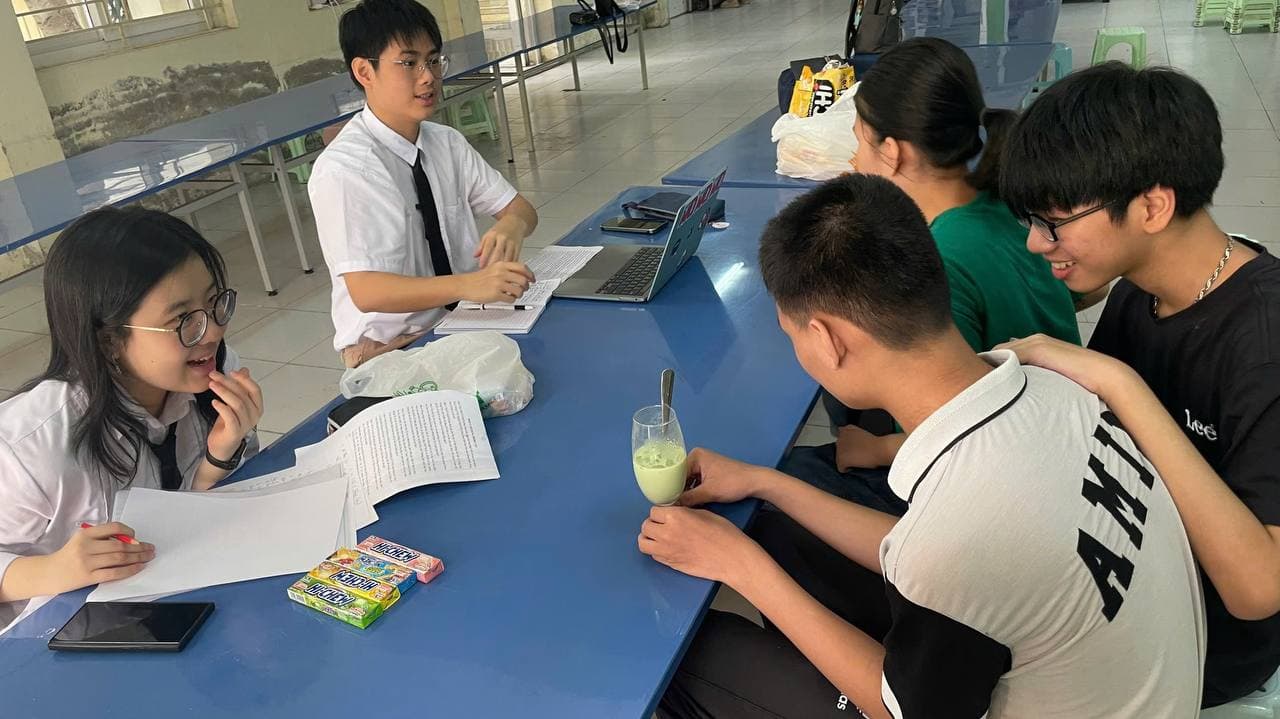
Interviewing students at the Nguyễn Đình Chiểu School for the Blind
Listening first — before building EduVision AI.
04

When scale was not enough

AvaB began with a question: how can technology make learning more personal for many students at once? It taught me to build at scale.

But scale led me to a harder question: who is still left out of the systems we build? That question took me to the Nguyễn Đình Chiểu School for the Blind, and to EduVision-AI — where I learned that a solution is not truly intelligent if it excludes the people who need it most.

Mentoring younger students
The same programs, run a little better each year.
05

Showing up, every year

For six years I have helped run community programs — a zero-đồng Tết market, Mid-Autumn for children, Tết with elderly neighbors, and an education fund. My role grew from taking part to organizing and leading.

What I learned is not measured in gifts handed out. It is that leadership is a promise counted in years — the same programs, run a little better each time, so they do not depend on any one person.

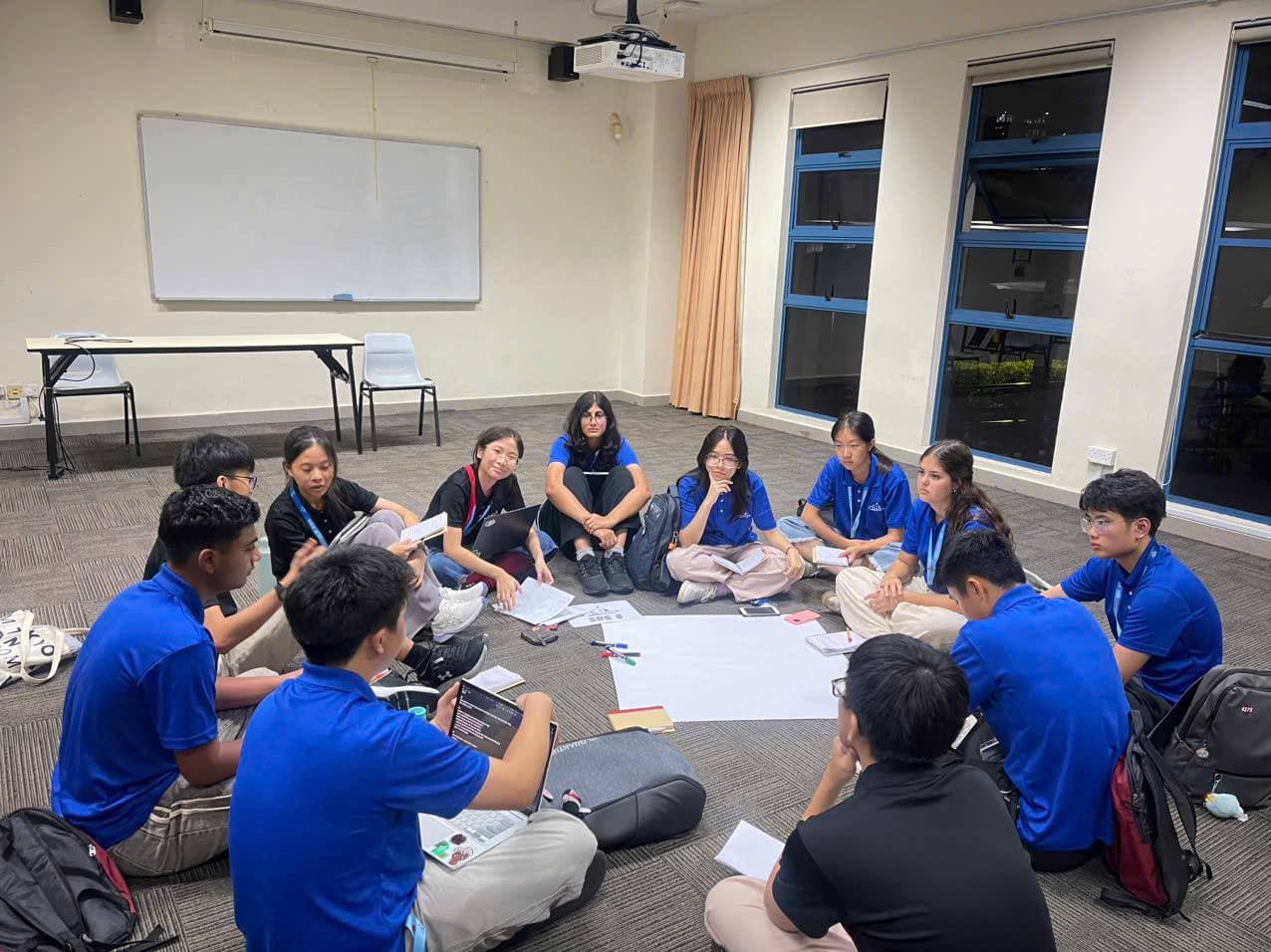
Building and experimenting
Still asking who is being left behind.
06

What I hope to build next

I want to keep building AI that serves the people the world tends to overlook — accessible, honest, and human-centered — and to make the community work durable enough that its good outlives me.

At university I hope to go deeper into accessible learning technology and to keep asking a question I have not fully answered: who is still being left behind, and what would it take to include them?